Is Diamox Necessary for Climbing Kilimanjaro?
Climbing Mount Kilimanjaro (5,895 m/19,341 ft), an “extreme altitude” peak, poses significant risks of altitude sickness, a leading cause of summit failure. While supplemental oxygen isn’t required (unlike Everest), Diamox (acetazolamide) is a widely used medication to aid acclimatization. Is it essential? No, but it can significantly improve your chances of a safe, successful climb. Serengeti Nexus explains how Diamox works, its dosage, side effects, myths, and alternatives.
Disclaimer: This article is for informational purposes only and does not diagnose, treat, or cure any condition. Consult your healthcare provider before using Diamox or other suggestions.
What Is Diamox?
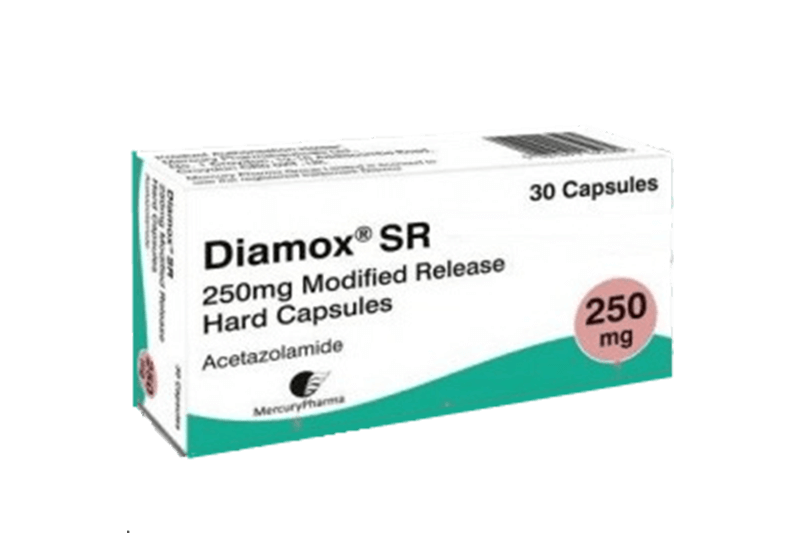
Diamox (acetazolamide) is a prescription sulfonamide medication primarily used for glaucoma, edema, and epilepsy. In mountaineering, it’s valued for speeding acclimatization and reducing the onset and severity of Acute Mountain Sickness (AMS). Per the Wilderness Medical Society, low doses combined with a proper acclimatization protocol lower AMS risk and symptom severity.
Diamox is a preventative (prophylactic) measure, not a cure for altitude sickness. Consult your doctor to confirm it’s safe, especially if you have kidney, liver, or sulfa allergy issues.
How Diamox Actually Helps
- Makes you breathe deeper → more oxygen → faster acclimatisation
- Reduces severity of headaches and nausea by ~70 %
- Improves sleep by calming Cheyne-Stokes breathing at night
It does NOT “mask” symptoms—if you’re getting sick, you’ll still feel it, and we’ll still send you down.
Common Side Effects (Totally Normal)
- Peeing every 60–90 minutes (bring a pee bottle for the tent!)
- Fingers/toes tingle
- Carbonated drinks taste flat (beer still tastes good on a decent day)
- Very rarely: nausea or rash (stop immediately if this happens)
Who Should NOT Take Diamox
- Sulfa allergy (true allergy, not just upset stomach)
- Severe kidney disease
- Some people on specific meds (rare) medications — ask your doctor
What If You Decide “No Diamox”?
Totally fine—we still get you to the top safely by:
- Using only 7–9 day routes (proper acclimatisation profile)
- Enforcing “pole pole” pace every single day
- Twice-daily health checks
- Emergency oxygen ready the second anyone looks off
Success rate without Diamox on our 8-day Lemosho route: still 93%.
The Bottom Line from Our Head Guides
“Take Diamox if you want the climb to feel easier and give yourself the best possible chance.
Skip it if you hate medication and are happy to go a bit slower.
Either way, we’ll get you there—but 19 out of 20 clients choose to take it.”
Our Exact Protocol (Copy & Show Your Doctor)
125 mg at breakfast
125 mg at 4–5 pm (with afternoon tea)
Plenty of water
Ibuprofen 400 mg allowed for headache (but tell your guide first)
Ready to decide?
Tell us “yes Diamox” or “no Diamox” when you book—we’ll send you the exact instructions either way.
Start Your Booking | Download Diamox Info Sheet | Ask Our Medical Team Anything
Your lungs, your choice. We support both. 🗻💊