Is Kilimanjaro a Technical Climb?
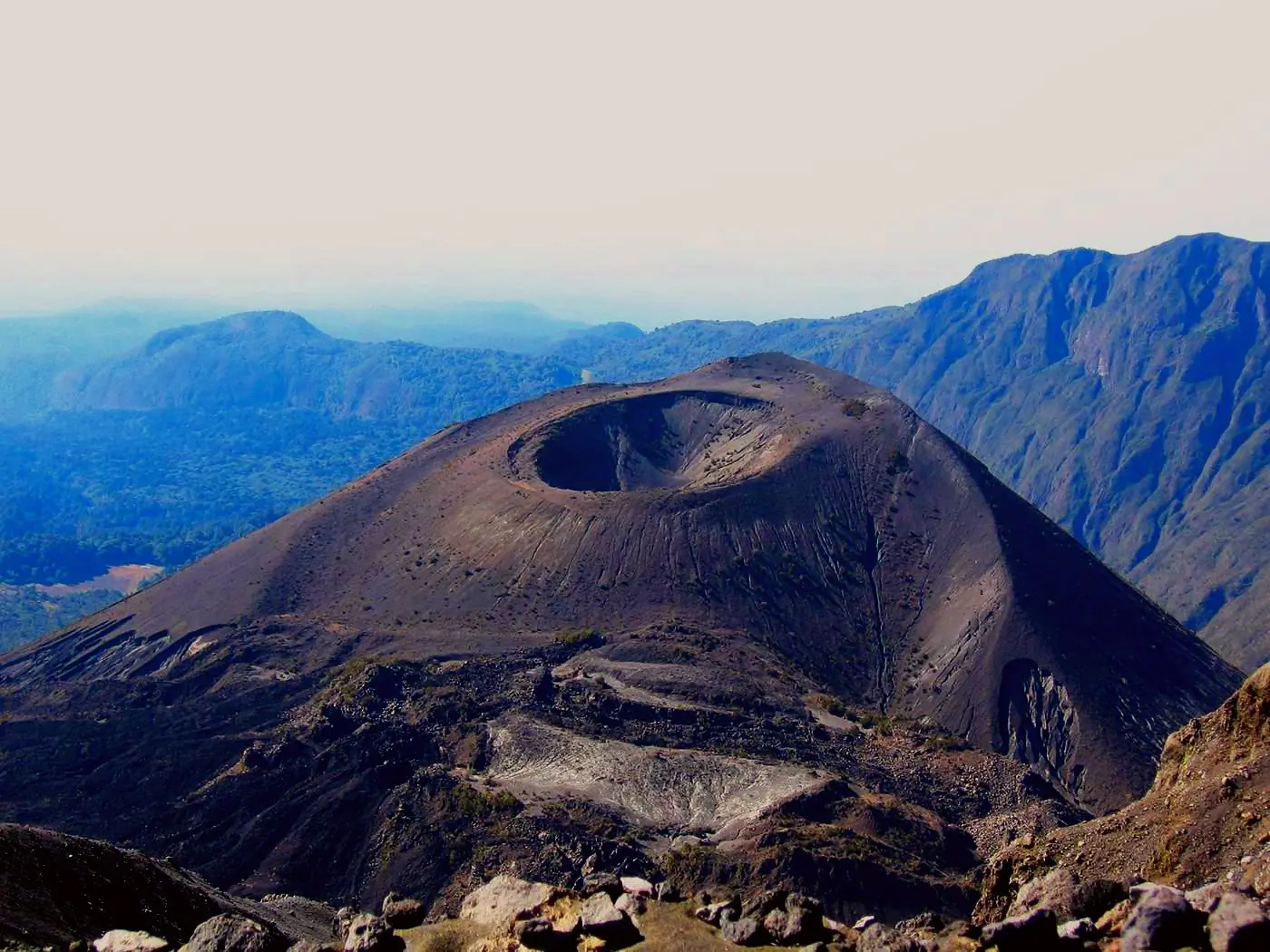
No — Kilimanjaro is not a technical mountain. You do not need ropes, harnesses, crampons, ice axes or any mountaineering equipment. There is no rock climbing, ice climbing or glacier travel on any of the standard routes.
Kilimanjaro is a high-altitude trekking mountain. If you can walk, you have the fundamental skill required. The challenge is not the terrain — it is the altitude.
What Makes Kilimanjaro Hard (It Is Not What You Think)
The difficulty of Kilimanjaro is almost entirely due to altitude and thin air, not the physical difficulty of the trail.
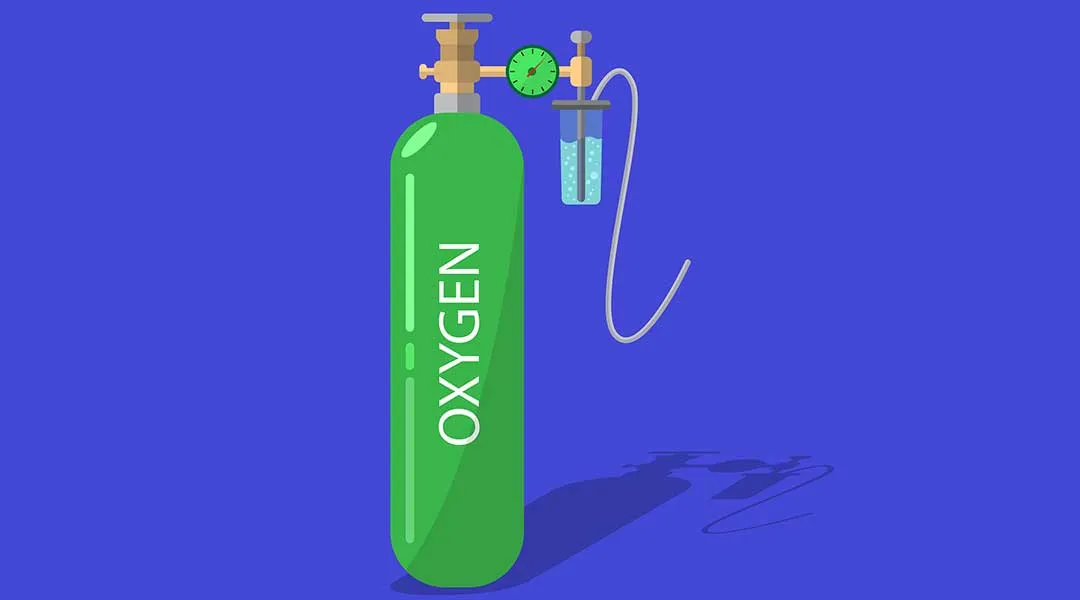
At Uhuru Peak (5,895m), there is roughly 50% of the oxygen available at sea level. Your body must adapt to this — a process called acclimatization. Without enough time to acclimatize, even elite athletes turn back.
- Being physically fit helps you walk faster — but it does not protect you from altitude sickness
- Being calm and slow helps more than being strong and fast
- Choosing a longer route (7–9 days) dramatically increases your success rate
What You Actually Need to Climb Kilimanjaro
1. Reasonable Physical Fitness
You do not need to be an athlete. But you should be comfortable walking 5–8 hours per day for multiple consecutive days, sometimes on uneven terrain. Preparation hikes in the months before your climb are strongly recommended.
2. The Right Gear
A proper layering system is essential. Temperatures range from +30°C at the base to -20°C at the summit. A good sleeping bag, waterproof jacket and warm hat are non-negotiable.
3. Time — Lots of It
This is the single most important factor. A 5-day climb gives roughly a 50% success rate. An 8-day climb gives roughly 95%. More days equals more time to acclimatize equals a far better chance of reaching the summit.
4. A Certified Guide
Climbing with a licensed, KINAPA-certified guide is mandatory on Kilimanjaro. Your guide monitors your health, sets the pace and makes the call if you need to descend for safety.
Who Has Climbed Kilimanjaro?
Kilimanjaro has been summited by people aged 6 to 89 years old. It has been climbed by people with one leg, blind climbers and complete beginners. None of them needed technical mountaineering experience — they had determination, the right preparation and good guides.
First-Timer Tips from Our Guides
- Choose at least 7 days — we recommend 8 (Lemosho Route) for first-timers
- Train with elevation changes if possible — stair climbing is excellent preparation
- Stay hydrated — drink 3–4 litres of water per day on the mountain
- Pole pole — the Swahili mantra means "slowly slowly" and it is the most important advice you will receive
- Do not push through severe symptoms — listen to your guide; the mountain will still be there
Our Recommendation for First-Time Climbers
The Lemosho Route (8 days) is our top pick for first-timers. It offers the best acclimatization profile, spectacular scenery and consistently achieves a 95%+ summit success rate with Serengeti Nexus.