Best Times to Follow the Great Migration
The Great Migration follows a rain-driven, clockwise cycle, spending ~9 months in the Serengeti. Timing and location are key for iconic moments like river crossings or calving. Here’s the 2025 breakdown:
December–March: Calving Season (Southern Serengeti/Ndutu)
- Where: Ndutu Plains (Ngorongoro Conservation Area) and southern Serengeti.
- What to See: ~8,000 wildebeest calves born daily (peak Jan–Feb), attracting predators (lions, cheetahs, and hyenas). Emotional mother-calf scenes.
- Crowds: Moderate; less busy than northern crossings.
- Why Go: Vibrant grasslands, golden-hour photography, predator-prey action.
April–June: Western Corridor & Grumeti River
- Where: Western Serengeti and Grumeti River.
- What to See: Herds move west, facing crocodile-filled Grumeti crossings (May–June). Leopards and lions in riverine forests.
- Crowds: Low to moderate; shoulder season value.
- Why Go: Intimate crossings, diverse landscapes, fewer vehicles.
July–October: Mara River Crossings (Northern Serengeti)
- Where: Northern Serengeti and Mara River.
- What to See: Dramatic crossings with crocodiles and currents; lion prides feasting on herds.
- Crowds: High; book 6–12 months ahead.
- Why Go: Iconic migration spectacle, peak wildlife density.
November: Short Rains and Southern Return
- Where: Southern Serengeti/Ndutu.
- What to See: Fragmented herds moving south; dramatic storm clouds.
- Crowds: Low; excellent value.
- Why Go: Shoulder-season rates, fewer tourists, lush scenery.
Beyond the Great Migration: Year-Round Wonders
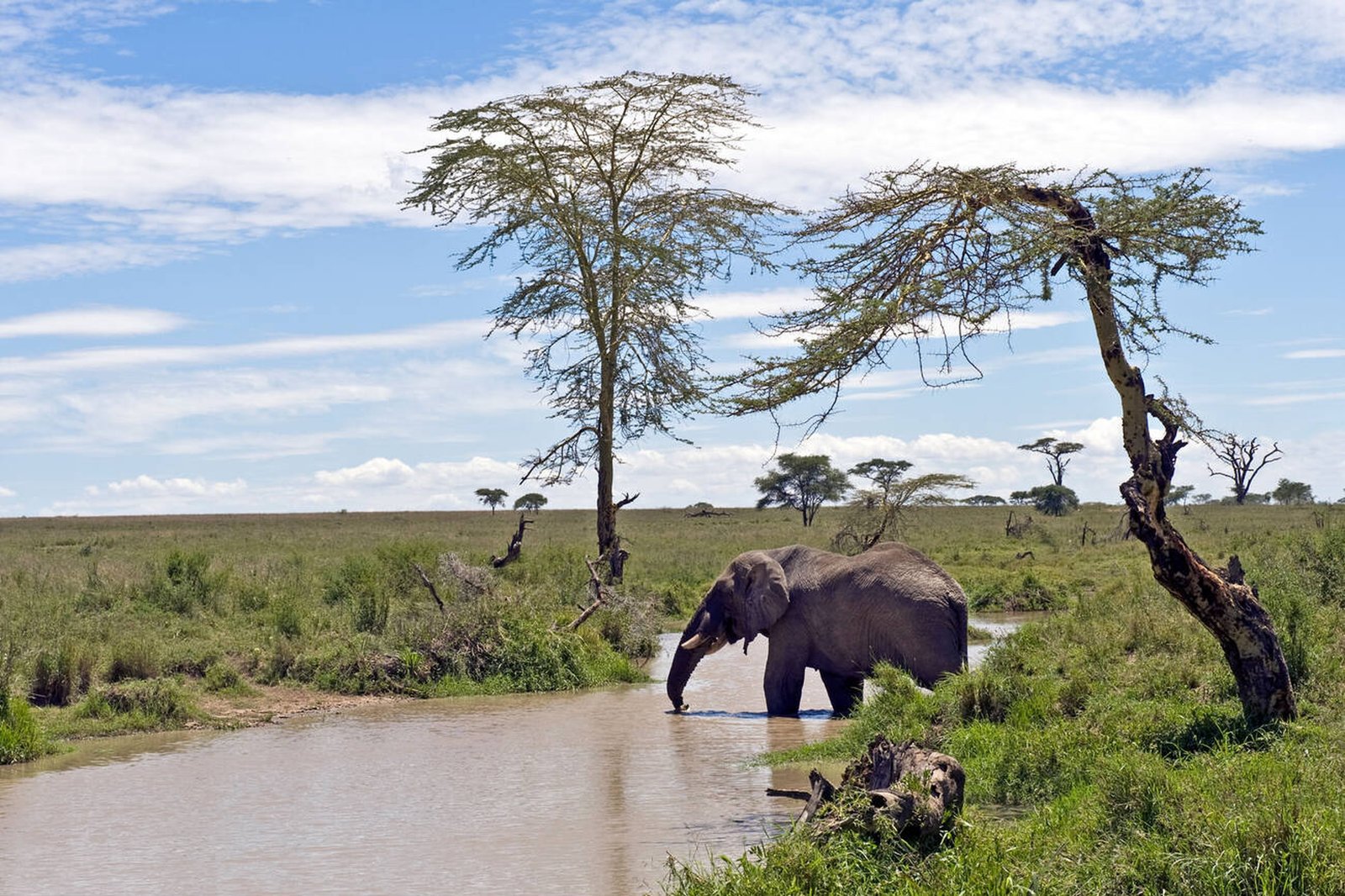
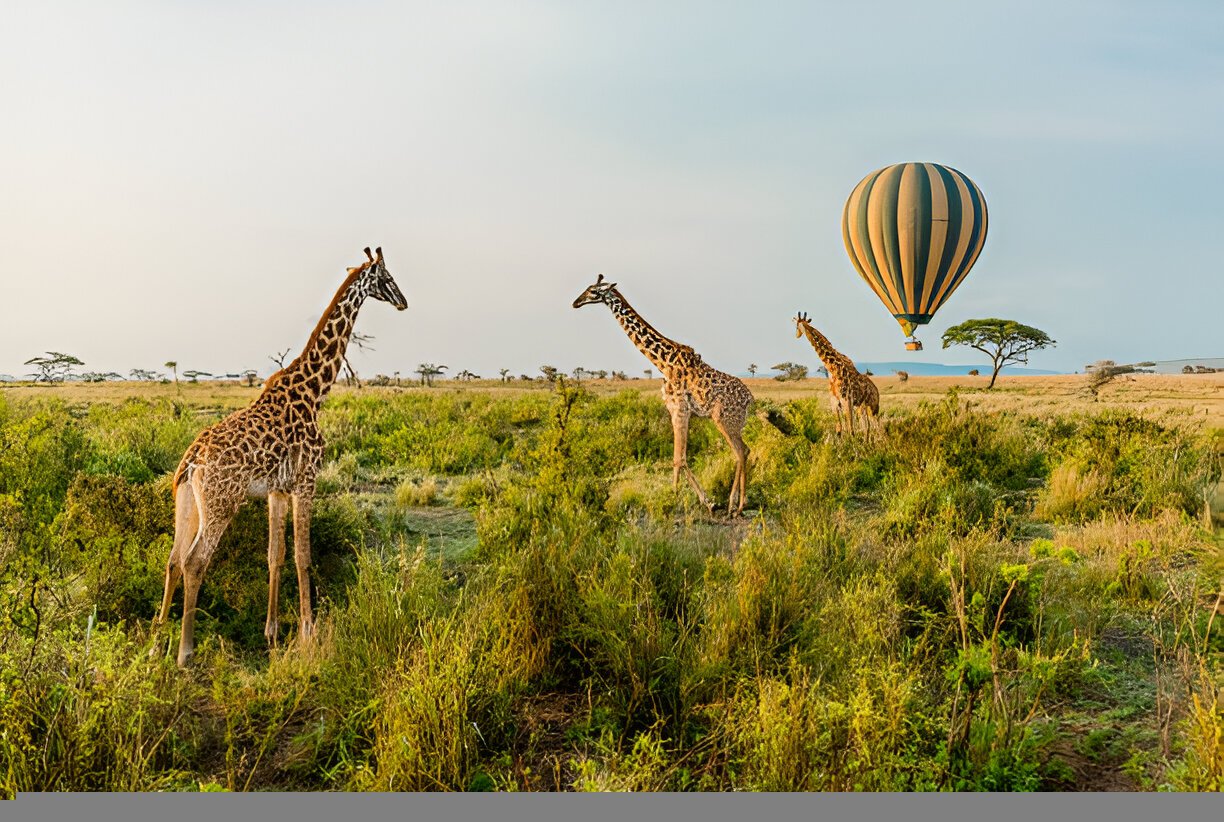
The Serengeti’s resident wildlife—lions, leopards, cheetahs, elephants, and giraffes—stays territorial, ensuring spectacular sightings year-round, even outside migration peaks.
- Big Cats: Seronera’s lion prides and our eastern Serengeti camp’ cheetahs thrive year-round.
- Birdwatching: Over 500 species, best in the wet season (Nov–May) with migratory birds.
- Scenery: Lush green plains in wet season; golden vistas in dry season.
- Value: Green season (Apr–May, Nov–mid-Dec) offers 20–30% lower camp rates.
Serengeti Nexus Tip: Combine migration viewing (e.g., Ndutu in Feb) with Seronera for resident cats.
Avoiding Crowds in the Serengeti
The Serengeti can feel busy, especially in Seronera during peak season (Jul–Oct, Jan–Feb), where safari vehicles cluster around big cat sightings. To enjoy a quieter experience:
- Shoulder Seasons: Mid-Mar to mid-May (long rains), early Nov to mid-Dec (short rains), or late Jan. Lower rates and fewer visitors.
- Remote Areas: Western Corridor (Aug–Oct) or Mara Serengeti (Nov–Jun) for solitude and quality wildlife.
- Mobile Camps: Serengeti Nexus’ Olakira (12–20 guests) avoids large-lodge crowds (100+).
- Expert Guides: Our guides use secondary routes and early morning drives (dawn) for exclusive sightings.
Tip: Split your itinerary—3 nights in migration hotspots (e.g., Mara River), 2–3 nights in remote areas (e.g., our eastern Serengeti camp).
Seasonal Breakdown: Dry vs. Wet Season
June–October: Dry Season
- Pros:
- Wildlife concentrates at rivers/waterholes, making it easier to spot.
- Peak Great Migration crossings (Mara River, Jul–Oct).
- Sunny days (25°C/77°F), fewer mosquitoes, and lower malaria risk.
- Cons:
- Crowded, especially Seronera (10+ vehicles at cat sightings).
- Cold nights/mornings (14°C/57°F); occasional cold fronts (~0°C/32°F).
- Best For: First-time safari-goers chasing migration drama.
November–May: Wet Season
- Pros:
- Calving season (Jan–Feb) in Ndutu; predator action.
- Lush, green landscapes; vibrant photography.
- Fewer tourists, lower rates (20–30% off in Apr–May).
- Best birdwatching with migratory species.
- Short afternoon rains (Nov–Feb) rarely disrupt plans.
- Cons:
- March–May rains are heavier and often cloudy.
- Seronera is busy in Jan–Feb during calving.
- Best For: Budget travelers, birders, or those seeking solitude.
Serengeti Nexus Tip: April offers green scenery, low rates, and fewer crowds, ideal for experienced travelers.
Why Safari with Serengeti Nexus?
- Mobile Camps: Olakira and Ubuntu follow migration for prime viewing (see Migration Guide).
- Expert Guides: Navigate remote areas for exclusive sightings.
- Custom Itineraries: Combine Serengeti with Ngorongoro or Zanzibar.
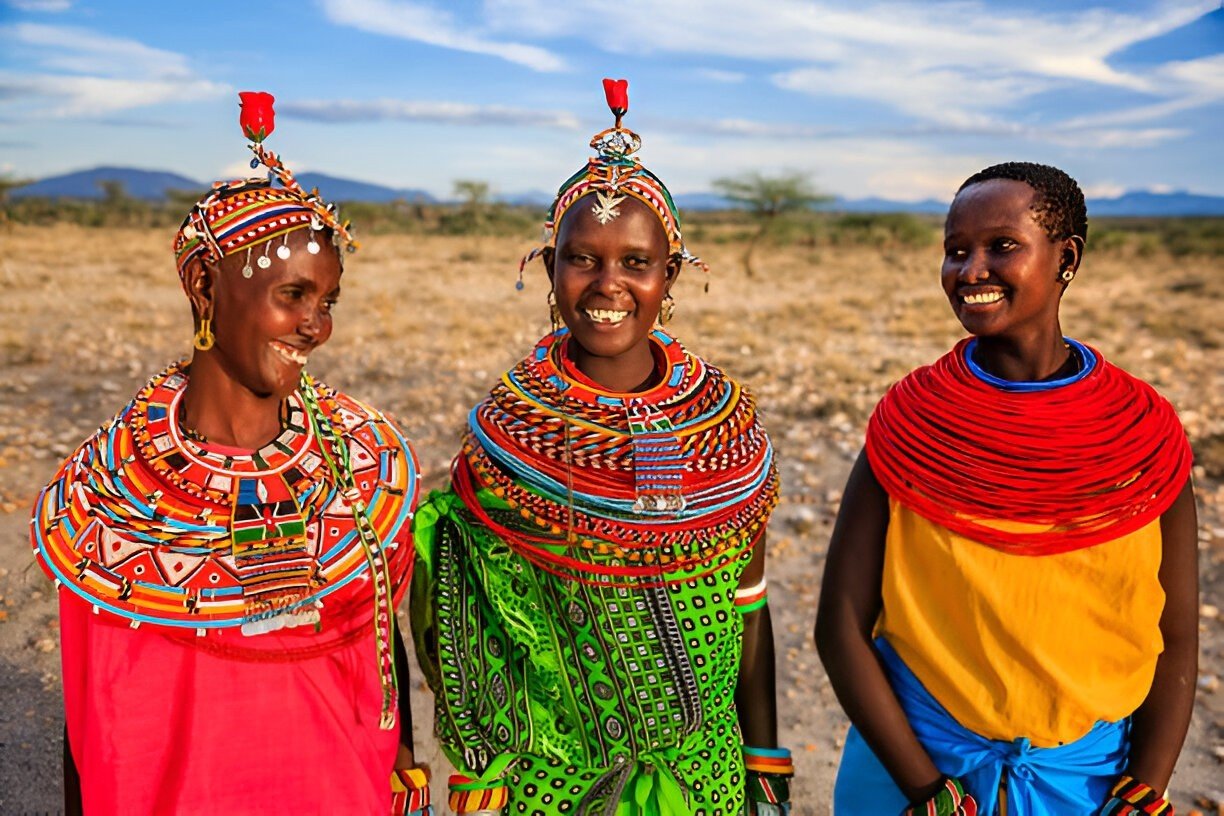
- Sustainability: Support Maasai communities and conservation.
Ready to Explore the Serengeti in 2025?
Whether chasing the Great Migration or seeking quiet wildlife moments, Serengeti National Park delivers year-round. Serengeti Nexus crafts tailored 2025-2026 safaris for your ideal experience.