Tanzania: Africa's Premier Safari & Adventure Destination in 2026
Tanzania combines the world's greatest wildlife spectacle with Africa's highest mountain, its most pristine marine parks, and the legendary cultural heritage of the Maasai — all in one extraordinary country. Whether you want to witness 2 million wildebeest thunder across the Mara River, stand on the summit of Kilimanjaro at sunrise, or snorkel with whale sharks off Mafia Island, Tanzania delivers experiences that permanently alter your sense of what is possible.
This comprehensive 2026 guide covers everything you need to plan the perfect Tanzania adventure with Serengeti Nexus.
Tanzania's National Parks & Reserves: Where to Go
Serengeti National Park — The Heart of Africa
The Serengeti (14,763 km²) is Tanzania's flagship wildlife reserve and home to the Great Migration — the largest animal movement on Earth. More than 2 million wildebeest, 200,000 zebras, and 500,000 gazelles follow the rains in a continuous clockwise loop, spending nine months in Tanzania before crossing briefly into Kenya's Masai Mara.
Best time: January–March for calving in the south; July–October for dramatic Mara River crossings in the north. Resident wildlife (lions, leopards, cheetahs, elephants, giraffes) guarantees superb sightings year-round.
Ngorongoro Crater — The World's Largest Caldera
A collapsed ancient volcano, the Ngorongoro Crater (264 km²) is arguably the densest concentration of wildlife anywhere in Africa. More than 25,000 large animals live inside the caldera, including one of East Africa's largest lion prides, vast elephant herds, black rhinos, and vast flamingo flocks on Lake Magadi.
Best time: Year-round. The crater floor is accessible in all seasons, though February–March brings lush greens and fewer safari vehicles.
Tarangire National Park — Tanzania's Elephant Paradise
Tarangire is famous for its enormous elephant herds (over 3,000 individuals) and its otherworldly ancient baobab trees. During the dry season (June–October), wildlife concentrates along the Tarangire River, creating some of Africa's most spectacular game-viewing.
Best time: June–October. Elephant sightings of 200+ animals at the river are common in August.
Lake Manyara National Park — Bird & Primate Paradise
Lake Manyara is famous for its tree-climbing lions, massive flamingo flocks, and extraordinary birdlife (400+ species). Despite its modest size (330 km²), it packs in extraordinary diversity — hippos, buffalo herds, blue monkeys, and baboons in dense mahogany forests.
Ruaha National Park — Tanzania's Wild South
Tanzania's largest national park (22,000 km²) remains dramatically undervisited. Ruaha holds the largest lion population in East Africa, packs of African wild dogs, massive buffalo herds, and 10,000+ elephants. If you crave authentic wilderness without another vehicle in sight, Ruaha is your answer.
The Great Migration: Tanzania's Greatest Show
The annual Great Migration is the most celebrated wildlife event on Earth. Every year, approximately 2 million wildebeest complete a 1,800 km clockwise circuit through the Serengeti and Kenya's Masai Mara. Here is the 2026 monthly breakdown:
- December–March: Calving season in the southern Serengeti and Ndutu. Up to 8,000 calves born daily attract lions, cheetahs, leopards, and hyenas for intense predator action.
- April–June: The herds migrate northwest through the Western Corridor. Grumeti River crossings begin in May, offering a preview of the famous drama with large Nile crocodiles.
- July–October: The most iconic period — massive herds attempt the Mara River crossings in the northern Serengeti. Book 12 months in advance for this period.
- November: Short rains push the herds south again. Fewer tourists, lower prices, and dramatic storm photography.
Serengeti Nexus Tip: Position yourself in the right area at the right time. Our guides monitor herd movements daily and can position your camp for maximum impact.
Mount Kilimanjaro: Climbing Africa's Roof in 2026
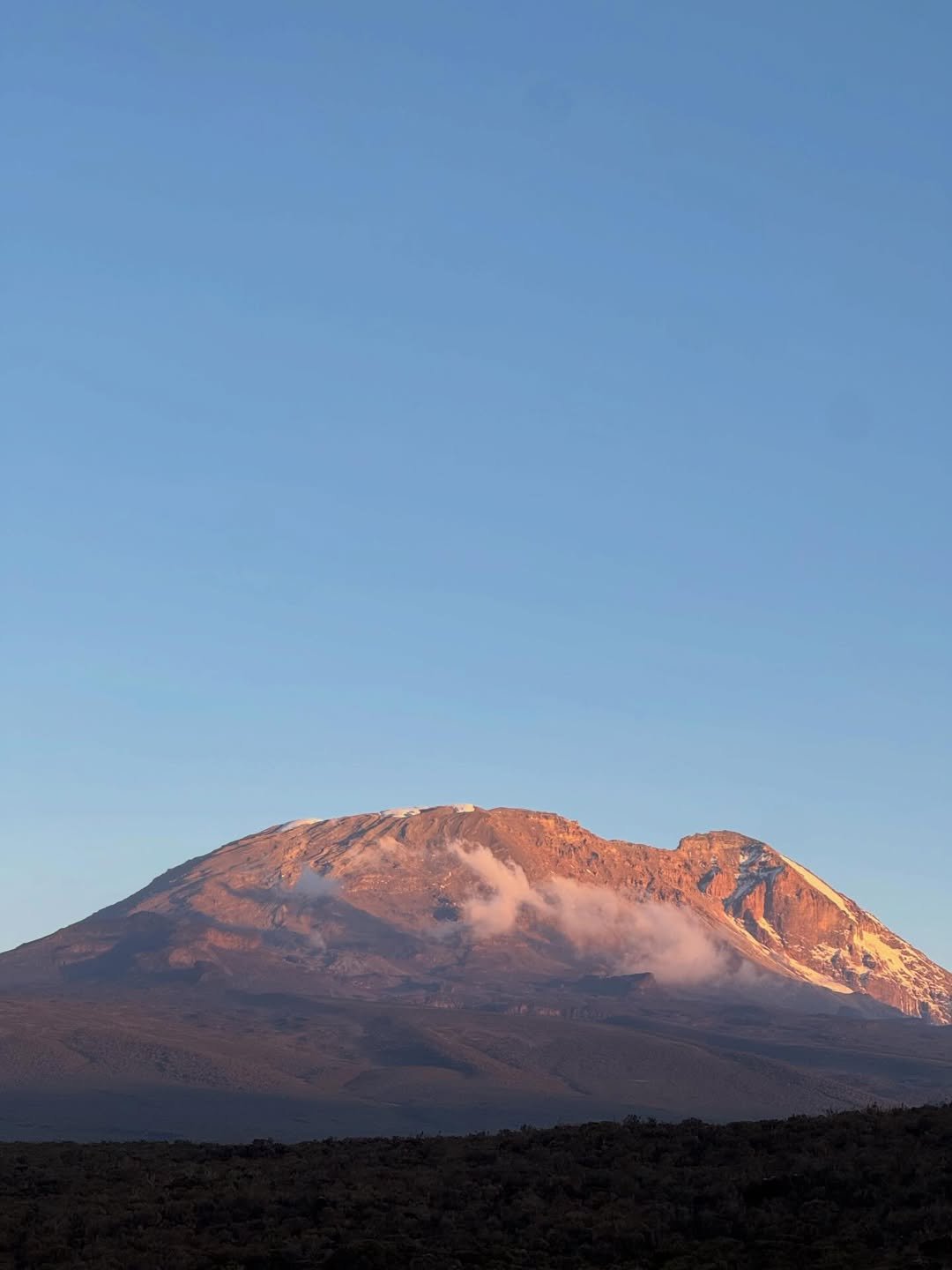
At 5,895 metres (19,341 feet), Mount Kilimanjaro is Africa's highest peak and the world's highest free-standing mountain. It is also one of the world's most accessible high-altitude climbs — no technical equipment required, just determination, proper acclimatization, and the right team.
Kilimanjaro Routes Compared
| Route | Days | Difficulty | Success Rate | Best For |
|---|---|---|---|---|
| Lemosho | 7–8 | Moderate | 95% | Scenery + acclimatization |
| Machame | 6–7 | Moderate-Hard | 85% | Classic experience |
| Northern Circuit | 9 | Moderate | 97% | Solitude + highest success |
| Rongai | 6–7 | Moderate | 85% | Drier approach, fewer crowds |
| Marangu | 5–6 | Moderate | 65% | Hut sleeping, budget option |
Kilimanjaro 2026 Cost Overview
A responsible, safety-focused Kilimanjaro climb with Serengeti Nexus costs $2,790–$3,980 per person (all-inclusive on the mountain). This includes all TANAPA park fees, rescue fees, hut/camping fees, a licensed guide team, a private toilet tent, emergency oxygen and pulse oximeters, and three hot meals daily.
Budget climbs offered under $2,000 are invariably cutting corners on porter wages, safety equipment, or food. Park fees alone exceed $900 per person — any quote significantly below that should raise serious red flags.
Best Time to Climb Kilimanjaro
- Peak season (Jan–Feb, Jul–Oct): Clear skies, highest summit success rates, busiest trails.
- Shoulder season (Mar, Jun, Nov): Near-perfect weather, fewer climbers, often lower prices — our favourite recommendation.
- Rainy season (Apr–May, mid-Nov to mid-Dec): Wet trails, empty mountain, significant discounts — ideal for experienced trekkers who love solitude.
Tanzania's Islands: Zanzibar, Pemba & Mafia
After the excitement of a safari or Kilimanjaro climb, Tanzania's islands offer the perfect beach finale:
- Zanzibar: The most accessible island — Stone Town's UNESCO-listed spice markets, clear turquoise water, vibrant nightlife, and consistent diving. Best in June–October and December–February.
- Pemba Island: Tanzania's best-kept diving secret — dramatic reef walls, strong currents attracting sharks and rays, pristine coral. For serious divers.
- Mafia Island: The crown jewel for marine life — whale shark snorkelling (October–February), world-class diving, and absolute tranquillity. Strictly regulated and ecologically sensitive.
Practical Tanzania Travel Information 2026
Visa & Entry
Most nationalities can obtain a Tanzania e-Visa online for $50 USD. Apply at least 5 business days before travel. Most East African citizens can obtain the East Africa Tourist Visa ($100 USD), covering Tanzania, Uganda, and Kenya in one trip.
Health & Vaccinations
Required: Yellow Fever certificate (if arriving from a yellow fever country). Strongly recommended: malaria prophylaxis (consult your doctor), typhoid, hepatitis A, and tetanus. Rabies vaccination is recommended for extended stays or wildlife work.
Currency & Payments
Tanzania shillings (TZS) for local purchases; USD widely accepted in safari camps and hotels. ATMs available in Arusha, Dar es Salaam, and Stone Town (Zanzibar). Carry crisp, post-2009 US dollar bills — older or damaged notes are often rejected.
Best Time to Visit Tanzania Overall
- June–October (Dry Season): Best wildlife viewing, reliable weather — ideal for first-time visitors.
- January–February: Calving season, excellent photography, good mix of wildlife and manageable crowds.
- March–May (Green Season): Lush landscapes, bird migration, 20–30% lower rates — best for photography enthusiasts and budget-conscious travelers.
Why Choose Serengeti Nexus for Your Tanzania Adventure?
Serengeti Nexus is a locally owned, Arusha-based tour operator with deep roots in Tanzania's wildlife and mountain communities. We're not a middleman — your booking goes directly to the people who will guide you, which means better value, faster communication, and an authentic connection to the land and its people.
- Direct pricing: No agency markups — competitive rates with full transparency.
- Expert guides: TANAPA-certified wildlife guides and licensed Kilimanjaro climbing guides with 10+ years of experience.
- Small groups: Maximum 6–8 guests per vehicle for an intimate, unhurried experience.
- Ethical practices: Fair porter wages, community conservation contributions, and eco-friendly camp protocols.
- 18 five-star reviews: 100% recommendation rate from our guests on TripAdvisor.
Ready to start planning? Contact our team today for a personalised itinerary and transparent quote — no pressure, no hidden fees.